
Is Humidity Control a Hidden Variable in Your Plant Growth Chamber?
Leaving humidity as an open or loosely defined range in a plant growth chamber specification frequently introduces unintended physiological stress, condensation and experimental drift. While temperature and light intensity receive the most attention during chamber selection, relative humidity and vapour pressure deficit (VPD) directly govern plant transpiration, nutrient uptake and pathogen risk.
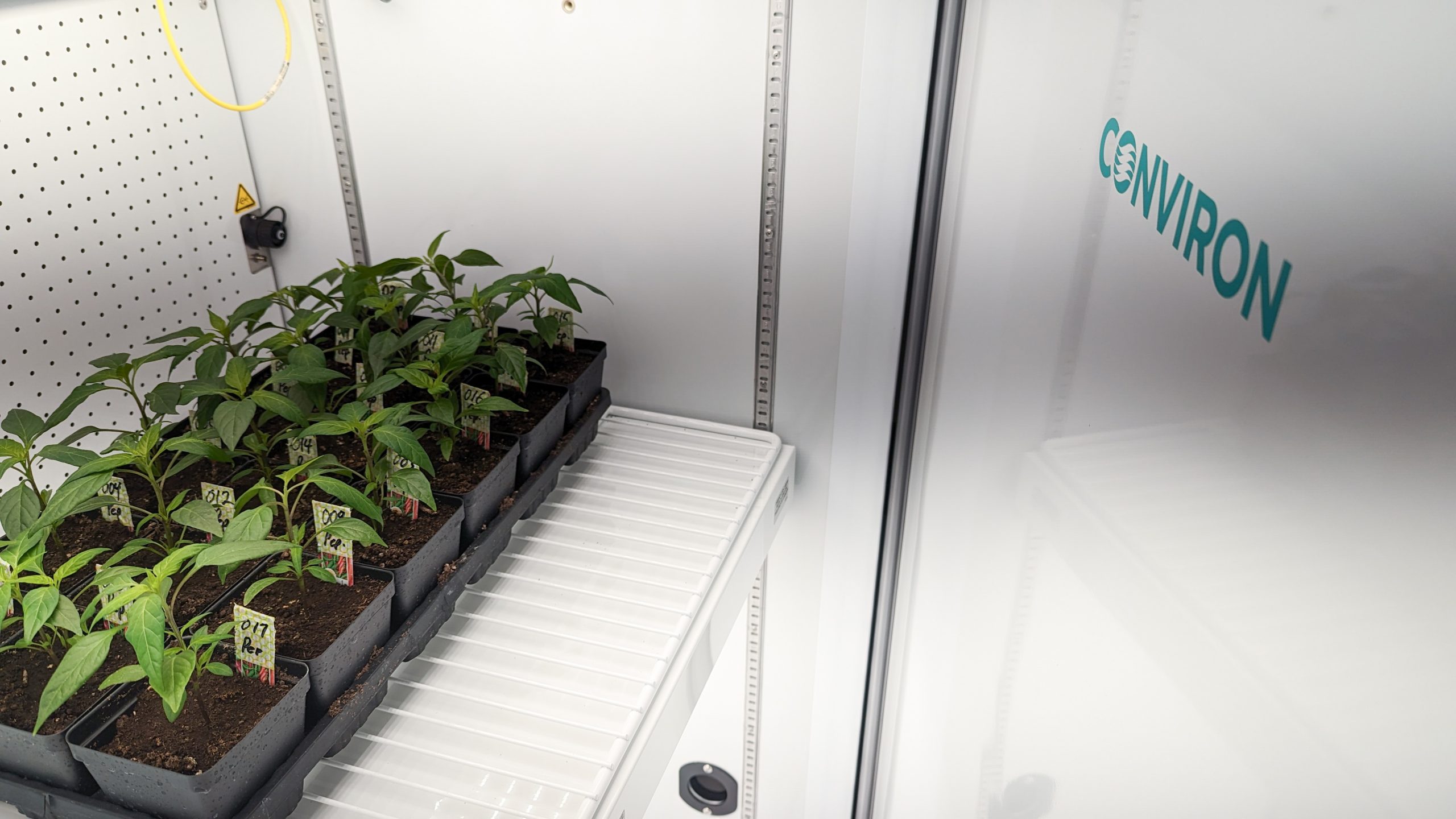
Why does humidity specification matter for growth chambers in Southeast Asia?
In tropical climates across Singapore, Malaysia, Thailand and other parts of Southeast Asia, where ambient relative humidity routinely exceeds 75% to 85%, standard chamber climate control alone often cannot maintain low-humidity or tight VPD setpoints. Confirming whether your research requires added humidification and active dehumidification before finalising a specification or tender prevents costly post-installation retrofits and protects experimental repeatability.
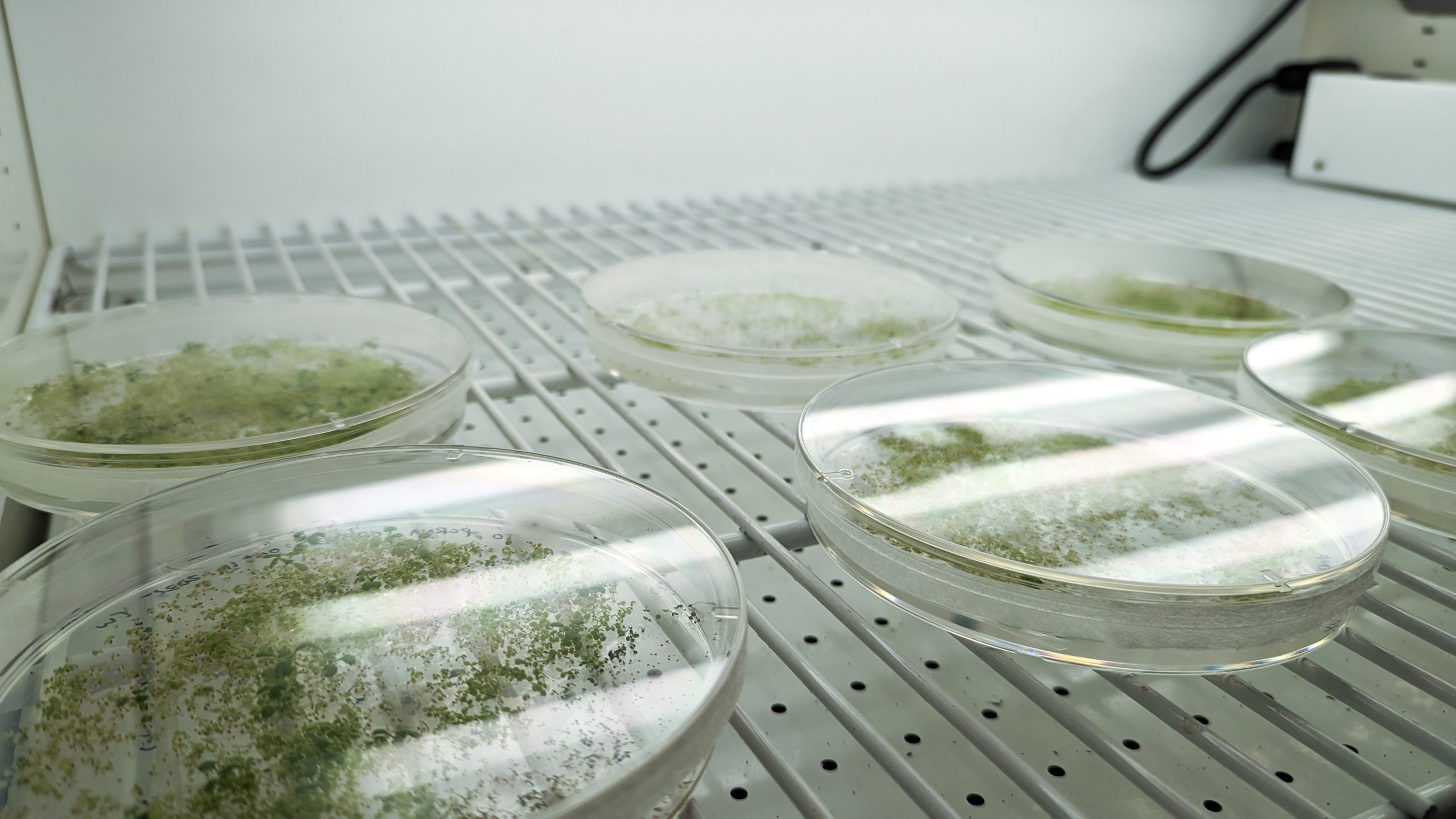
How can ITS Science & Medical Group and Conviron help?
Conviron’s technical insight breaks down how temperature and humidity interact, when dedicated dehumidification is required, and how to match chamber capabilities to your research protocols. Read Conviron’s guide here: Humidity Control in Plant Growth Chambers: Relative Humidity, VPD, & Research Reliability
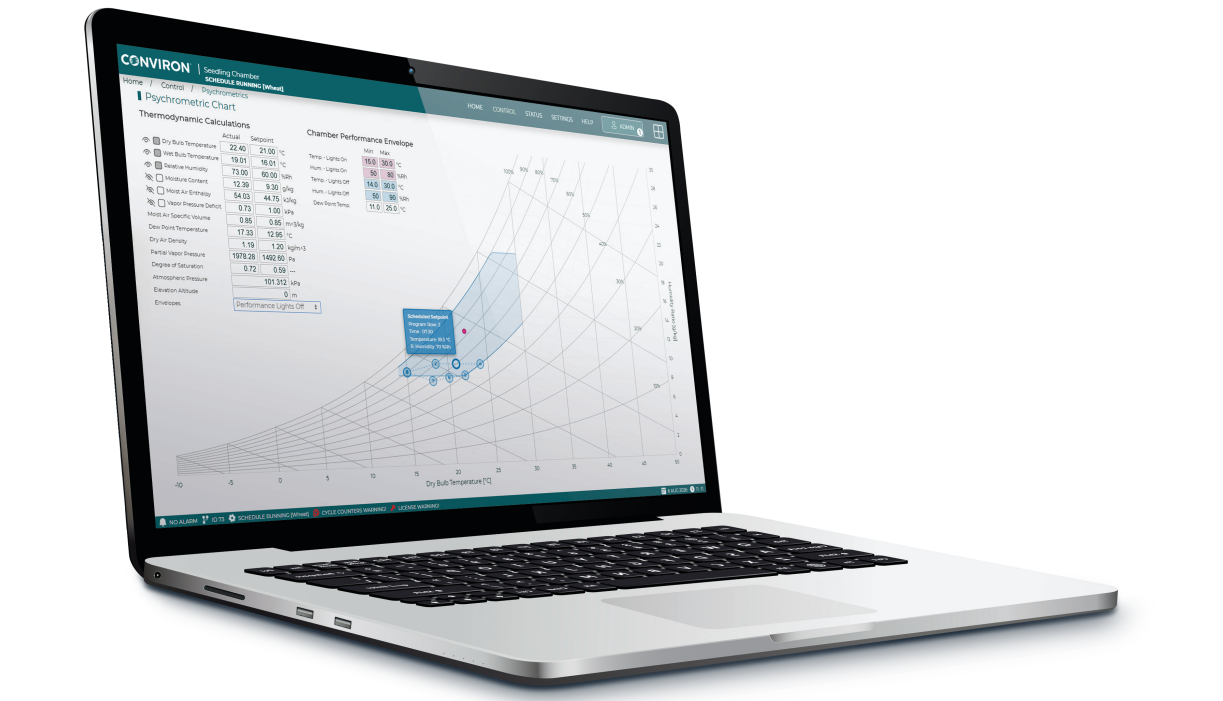
Visualising psychrometric data helps researchers see how environmental variables interact. Rather than reviewing temperature and humidity separately, a psychrometric chart shows their combined effect on moisture, VPD and the potential plant response, making it easier to identify trends, diagnose problems and optimise environmental control.
Planning a plant growth chamber or research room in Southeast Asia? Contact ITS Science & Medical Group, Conviron’s authorised partner in the region, for local application support, specification review and tender support before your requirements are finalised.
Frequently Asked Questions
Do I need dehumidification for a plant growth chamber in Southeast Asia?
It depends on the lowest humidity or tightest VPD your research needs at your target temperatures. With high ambient humidity across much of the region, protocols that call for low humidity may need active dehumidification. Checking your target conditions against the chamber’s capability chart before you specify will confirm it.
What is vapour pressure deficit (VPD), and why does it matter?
VPD is the difference between the amount of moisture the air could hold at a given temperature and the amount it actually holds. It drives how quickly plants lose water through their leaves, which affects growth, nutrient uptake and stress responses.
Why should temperature and humidity be specified as pairs?
Relative humidity depends on temperature: the same amount of moisture gives a different relative humidity at a different temperature. Considering temperature and humidity together more fully describes the environment plants experience. Two environments with the same RH can produce very different transpiration rates if temperatures differ. For this reason, VPD is often used in plant growth chambers and greenhouses to assess how temperature and humidity together affect plant water relations and growth.
What humidity details should I include in a tender specification?
Include the temperature and humidity pairs for the light and dark periods, the tolerance you need, the light intensity, whether humidification and dehumidification are required, the room conditions where the chamber will be installed, and your requirements for installation, training and local service.
How does the room affect a growth chamber’s performance?
A growth chamber releases heat into the room from its refrigeration system, dehumidifier and lighting, and it draws fresh air from the same room. If the room’s air-conditioning does not remove that heat, the room warms up and the chamber takes in warmer, more humid air. The refrigeration and dehumidification systems then work harder to reach their setpoints and release even more heat, and this cycle can make it extra challenging for chambers that are not correctly specified. Rooms where air-conditioning is switched off at night or at weekends are most at risk, so confirm that the room can remove the chamber’s heat load around the clock as part of the installation plan.
Does ITS Science & Medical Group install and service Conviron chambers in Southeast Asia?
Yes. ITS Science & Medical Group is Conviron’s authorised partner in the region, providing specification support, installation, preventive maintenance and service through local engineers.
About ITS Science & Medical Group and Conviron
ITS Science & Medical Group distributes and supports Conviron’s core lines of reach-in plant growth chambers and walk-in plant growth rooms. ITS equips universities and regional laboratories conducting plant biology, plant physiology, pathology, tissue culture and entomology research with the exact environmental controls needed to maintain strict experimental repeatability.
Because high-precision plant growth chambers require specialised installation, calibration and maintenance, ITS provides local service through more than 110 service engineers across seven Southeast Asian markets. Our team supports preventive maintenance, warranty care and specification, so your plant growth chambers and rooms continue to perform to the highest standards of repeatability and long-term performance that your research demands.
Planning a plant growth chamber in Southeast Asia? Talk to our team before your specification or tender is finalised.
Contributed by ITS Science & Medical Group | In partnership with Conviron
ITS Science & Medical Group operates across seven Southeast Asian markets. Learn more at one-its.com